The Ultimate Guide to Charlotte Mason Handicrafts (With Examples!)
There is something deeply rewarding about watching a child slowly, meticulously work with their hands. In the Charlotte Mason philosophy of education, we often talk about spreading a “feast” of ideas before our children. We feed their minds with living books, beautiful art, and rich music. But Charlotte Mason knew that a complete education must also train the physical being.
This is where handicrafts come in. Handicrafts are designed to teach children the habit of high-quality work. By working slowly with real-world materials—like wool, clay, wood, and wax—children learn that their effort has value, and that creating something useful and beautiful takes time.
Today, we are breaking down the core principles of Charlotte Mason handicrafts, how to choose the right crafts for your child’s age, and how to get started today.
The 3 Pillars of Charlotte Mason Handicrafts
Pillar 1: Limit Cheap Crafts: To be honest, I don’t have any issues with modern dollar-store crafts—my kids use paper plates and plastic beads all the time! But alongside that kind of free play, there is also a beautiful place for introducing meaningful, structured work. When starting handicrafts, we want to explain to our kids that the goal here is different: we are aiming to make something of genuine beauty, utility, or gift-worthy value.
Pillar 2: The Habit of “Perfect” Execution: Ok, so maybe not perfect execution, but explain to your kids that a single well-sewn stitch is better than an entire row of sloppy ones. It’s about teaching attention to detail, not speed.
Pillar 3: Real Tools for Real Hands: Teach your children to appreciate actual sewing needles, sharp carving tools (with supervision), and high-quality beeswax instead of cheap, frustrating substitutes. Sometimes these alternatives come in handy, but use them temporarily and sparingly.
How to Choose a Craft (By Age)
Some children are naturally gifted in handicrafts; for those children, you can start earlier, especially if they show interest.
Early Years (Ages 4–8 ):
- Focus: Coordination and basic muscle memory.
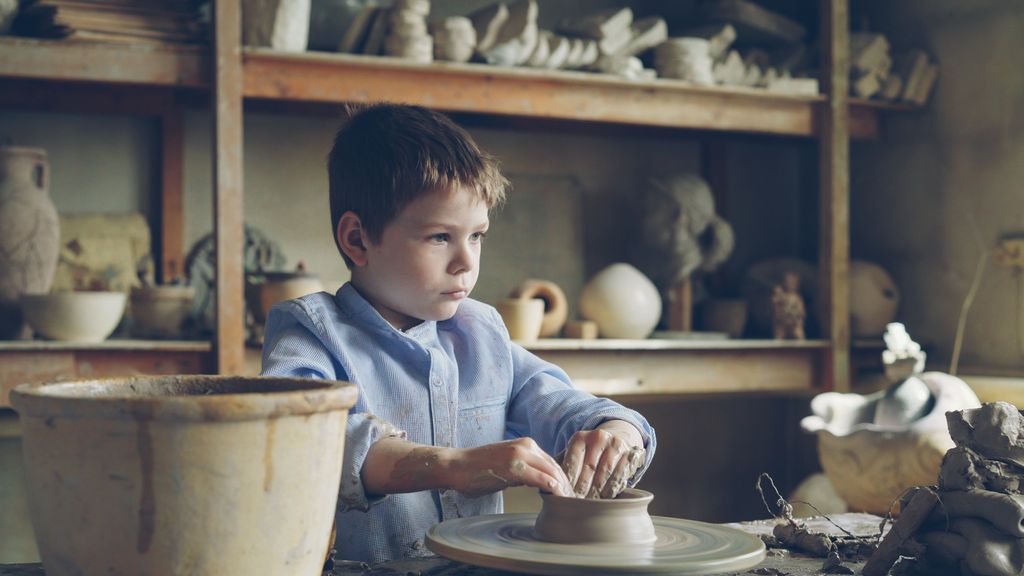
- Ideas: Clay hand-building, finger knitting, basic paper folding (origami), and sewing on buttons.
Middle Years (Ages 9–12 ):
- Focus: Precision, measurements, and patience.
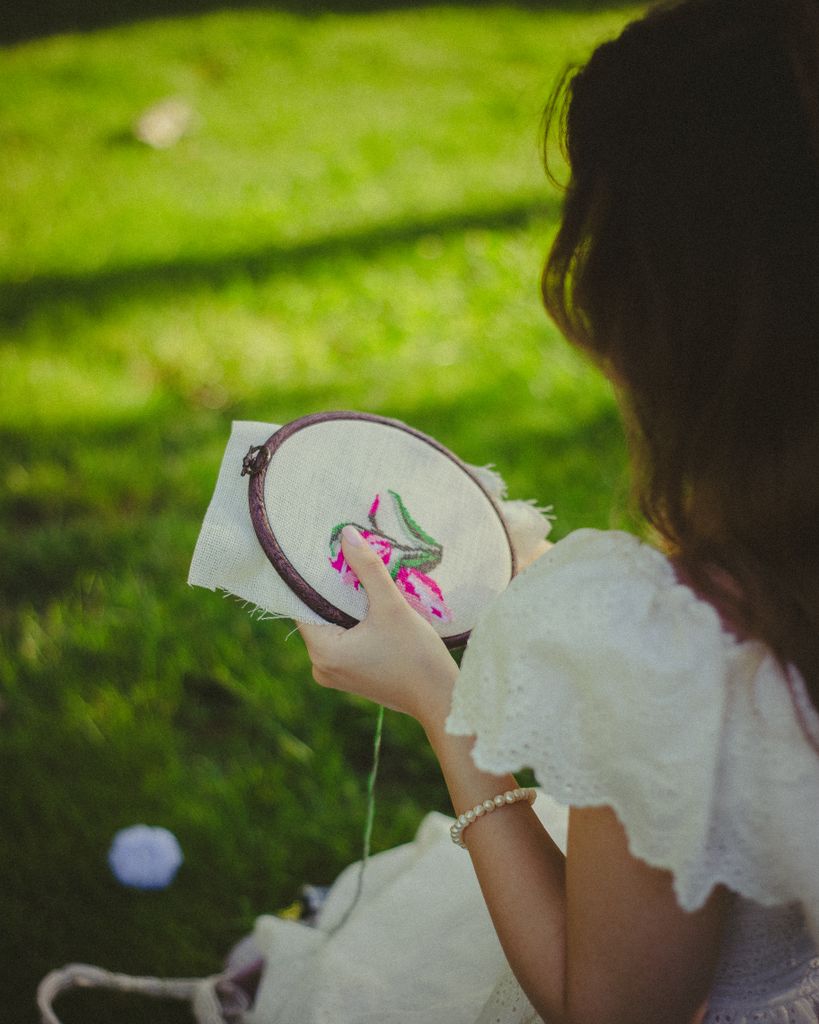
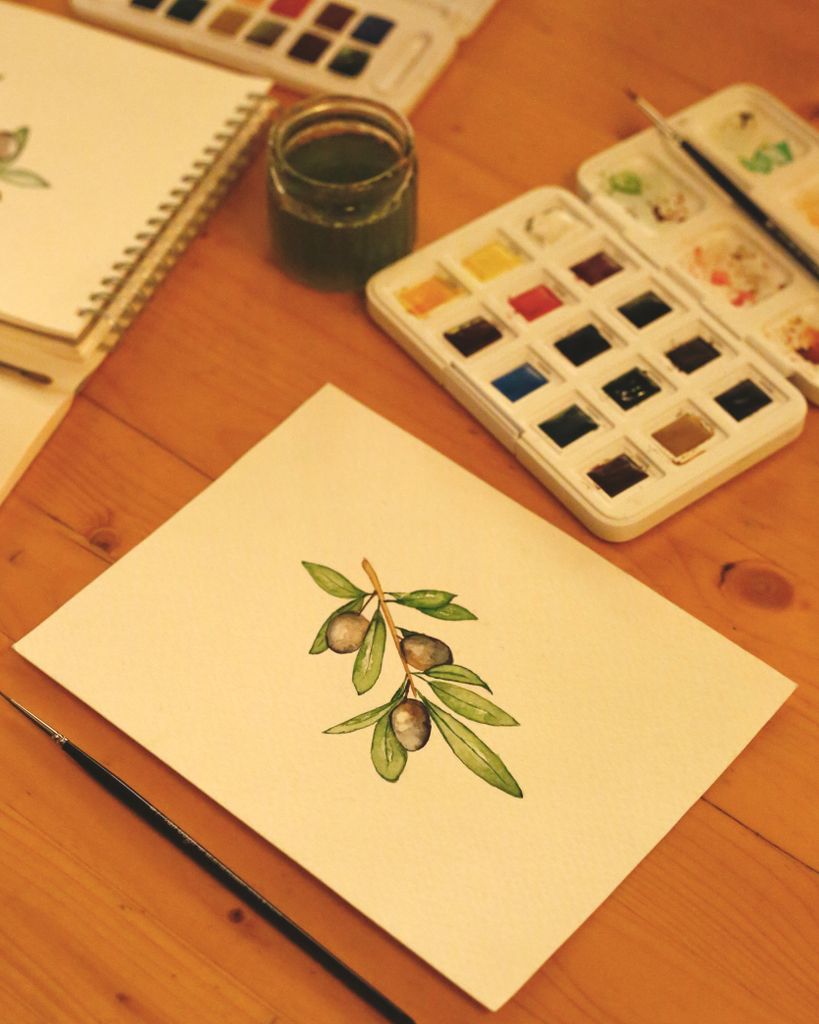
- Ideas: Simple embroidery, basket weaving, soap carving, watercolor, and beeswax candle dipping.
Upper Years (Ages 12+ ):
- Focus: Lifelong utility and complex tools.
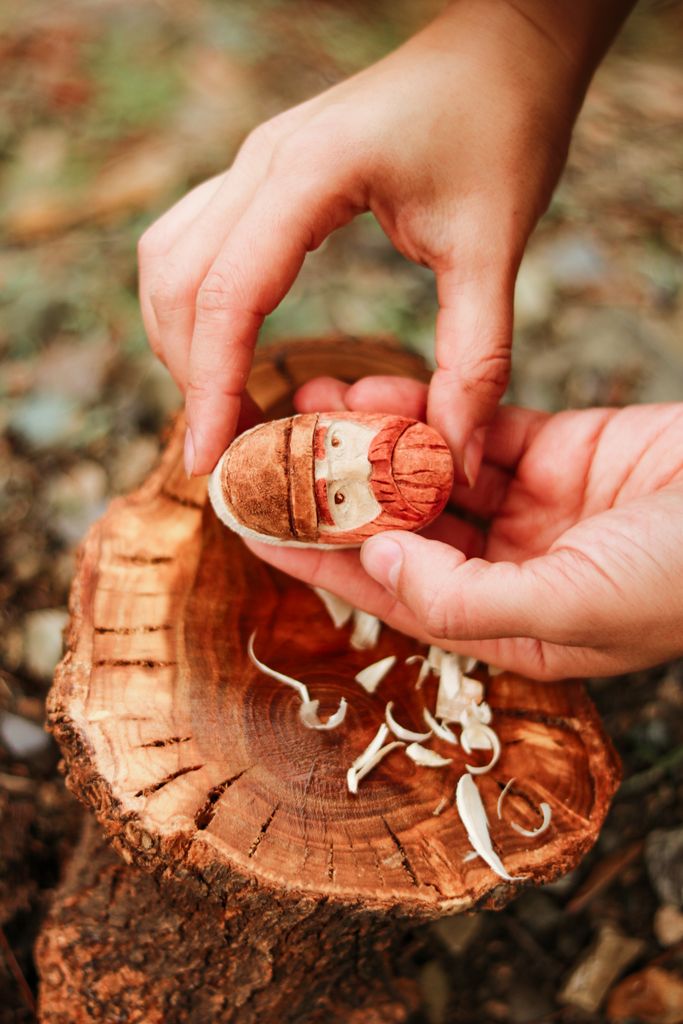
- Ideas: Leatherwork, woodworking/whittling, bookbinding, calligraphy, knitting and crocheting, needle felting, and sewing actual garments.
How to Schedule Handicrafts (Without the Overwhelm)
- Try to focus on one craft per term. Children do not need to learn ten crafts at once. Focus on one craft for a 12-week term.
- I recommend scheduling one 20-30 minute instructional lesson per week (maybe on a Friday afternoon or during quiet time).
- Once the child knows the basic technique, let them practice independently during read-alouds, audiobooks, or quiet afternoon hours.
Common Mistakes to Avoid
- Don’t intervene too much let them make mistakes and gently undo them. The learning is in the struggle.
- Don’t make things too complicated in the beginning. If a child is struggling to knit, scale back to finger knitting.
- Some children can get discouraged emphasize that “perfect execution” is a habit that is built over time, not an immediate expectation on day one.
Remember to celebrate the completed work! Encourage your child to wrap up their finished project and present it as a gift to a grandparent, friend, or neighbor, reinforcing the joy of purposeful work.
To learn more about Charlotte Mason Click Here!