Charlotte Mason Homeschooling for Beginners: Everything You Need to Know
If you’ve been scrolling through homeschooling methods and feel completely overwhelmed by all the curriculums options take a deep breath. I felt the same way until I found the Charlotte Mason method of homeschooling. There is a deeply enriching way to educate your children, and it all boils down to three words: atmosphere, discipline, and life. Welcome to the world of Charlotte Mason homeschooling. Named after a 19th-century British educator, this philosophy trades textbooks for captivating stories, tests for meaningful conversations, and desk time for afternoon nature walks. Whether you are completely new to homeschooling or just looking for a method that restores the joy of learning, this beginner’s guide will break down everything you need to know to get started with confidence.

Who Was Charlotte Mason?
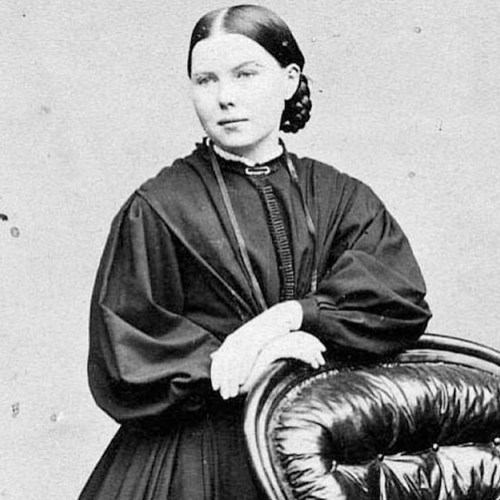
Born in England in 1842, Charlotte Mason was an orphaned teenager who became a schoolteacher out of necessity. She quickly grew frustrated with Victorian schools, which miss treated children. Charlotte believed that every child—regardless of social class—deserved a rich, inspiring education, she dedicated her life to reform. She founded a teacher training college in England and wrote six massive volumes on education. While she originally designed her methods for schools, parents quickly realized that her life-giving approach was perfectly suited for the home, sparking a global homeschooling movement that is more popular today than ever.
What Are the Four Core Elements?
1. Living Books (Instead of Textbooks)
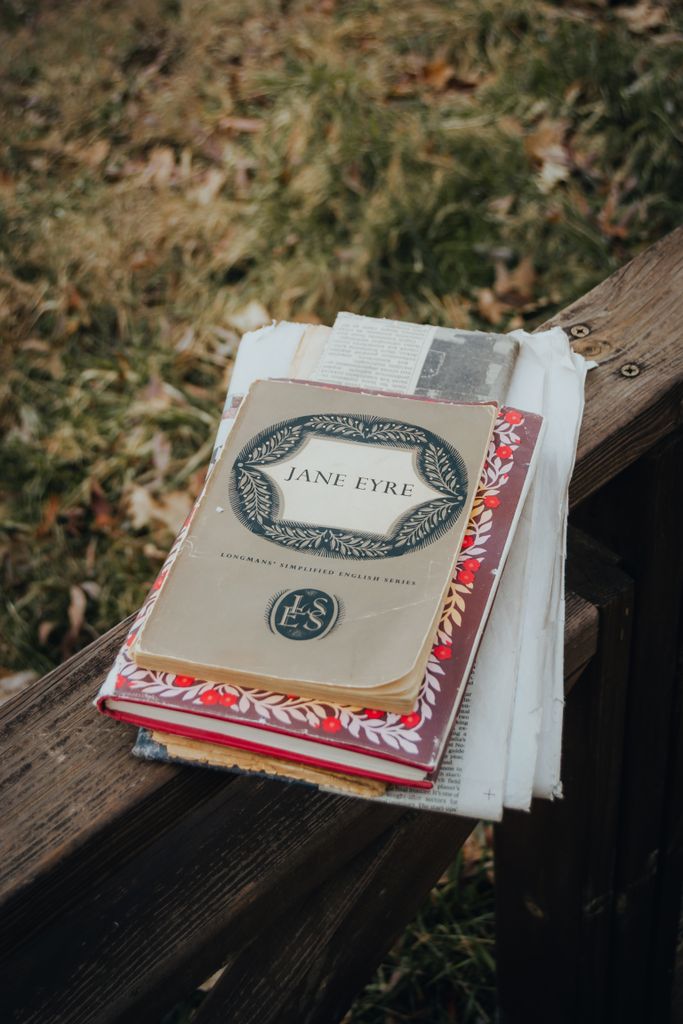
Charlotte Mason despised dry, boring textbooks that only listed dates and facts. Instead, she insisted on using Living Books. Books written in a narrative, story-like format by a single author who is deeply passionate about the subject. Whether it is a biography or a beautifully told story about how a seed grows, living books capture a child’s imagination and make the information stick because it is wrapped in engaging narrative.
2. Narration (Instead of Tests and Worksheets)
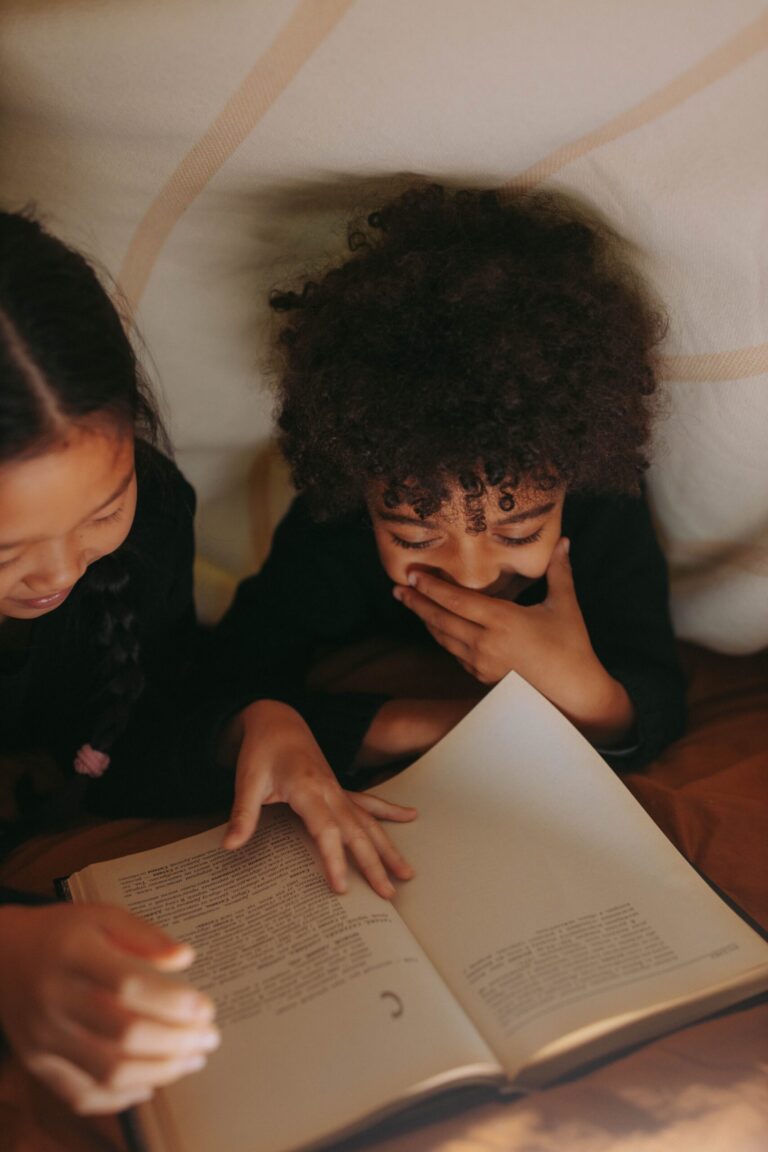
Instead of handing a child a multiple-choice quiz or a fill-in-the-blank worksheet after reading, Charlotte Mason used a method called Narration. Immediately after a short reading, the child tells back what happened in their own words. For younger kids, this is done orally; older kids may write it down.
To narrate, a child has to actively listen, mentally organize the information, and retell it in their own vocabulary. It is a great mental exercise.
3. Copywork and Dictation (The Language Arts)
You won’t find massive, separate grammar and spelling workbooks in a CM homeschool. Instead, spelling, handwriting, and grammar are taught through Copy work and Dictation. A child carefully copies a single, beautifully written sentence or paragraph from a great piece of literature or scripture. As they get older, the parent reads a passage aloud, and the child writes it down from memory, focusing on correct spelling and punctuation. This practice trains the child’s eye to naturally recognize correct spelling, sentence structure, and beautiful grammar by interacting with excellent writing, rather than analyzing broken sentences in a workbook.
4. Nature Study (The Foundation of Science)
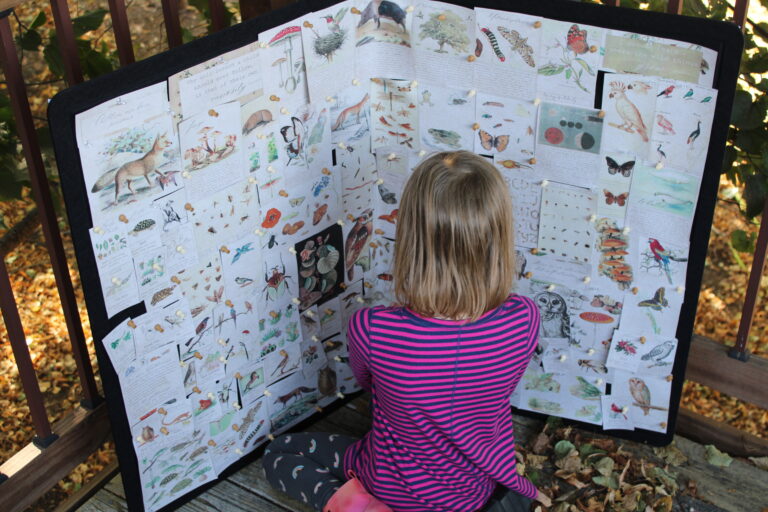
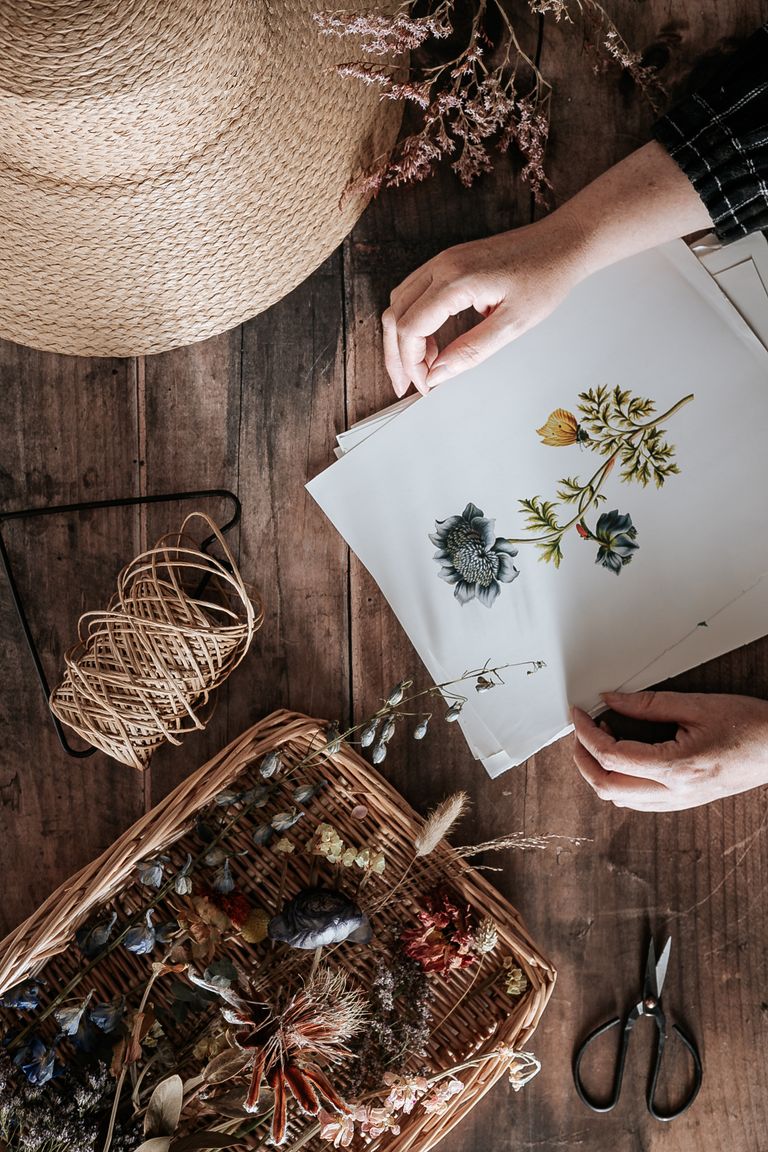
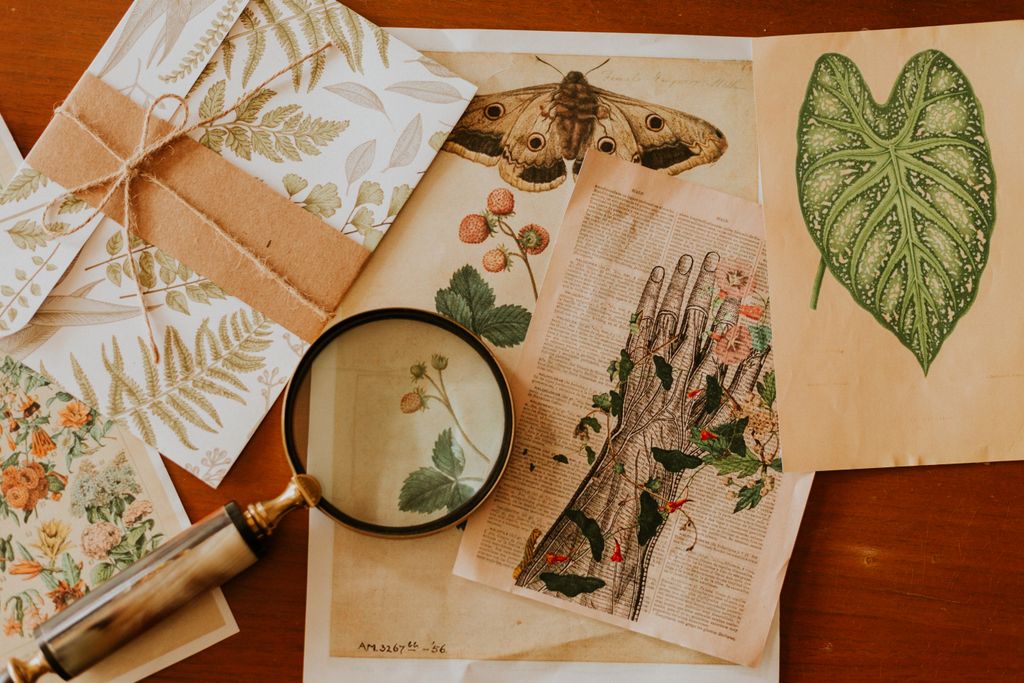
Science in the early years of a Charlotte Mason education isn’t spent inside looking at diagrams; it is spent outdoors. Regular, dedicated time spent out in nature where children observe the local wildlife, plants, and weather cycles. They keep a Nature Journal where they sketch their findings with watercolors or pencils and write down their observations. This habit cultivates a deep observation and a genuine love for the God’s creation.
What Does a Typical Day Look Like?
Morning Basket (Family Together Time)
The whole family gathers on the couch. This is the “atmosphere” of the home.
- Bible: Read a short passage or a psalm.
- Poetry: Read one poem aloud for enjoyment.
- Picture Study or Composer Study: Look at a masterpiece by a famous artist for a few minutes, or listen to a piece of classical music.
Math
- Time: 15–20 minutes.
- Short, intense focus using manipulatives (like blocks, money, measuring utensils, and beans) to understand concepts. My oldest daughter loves math and so we do equations as well.
History & Oral Narration
- Time: 15 minutes.
- The parent reads a few pages from a Living Book (history).
- The child immediately closes their eyes or looks at the parent and narrates (tells back) what happened in their own words.
Copy work & Handwriting
- Time: 5–10 minutes.
- The child copies one beautiful sentence from their history book or Bible into a notebook. The goal is for them to do their best execution of a few words, not filling a whole page with sloppy writing.
Geography or Nature Reading
- Time: 15 minutes.
- Read a narrative travel log, map a journey, or read a living science book about birds, weather, or stars. Followed by a quick oral narration.
Phonics / Reading Practice
- Time: 10–15 minutes.
- Targeted reading practice for early readers, or a literature read-aloud for older kids.
Foreign Language or Music Lessons
- Time: 15 minutes.
- Learn an instrument together or practice a few conversational phrases in a foreign language (Spanish, French, etc.). I do piano with my girls.
Freedom & Expression
Charlotte Mason firmly believed that children need long, uninterrupted hours of modern leisure.
- Nature Lore & Outdoor Play: Heading to a local park, creek, or backyard to look for birds, collect leaves, paint in nature journals, and climb trees.
- Handicrafts: Learning a real, useful skill that produces something beautiful. Examples include finger knitting, woodworking, clay modeling, sewing, or baking.
- Audiobooks & Free Reading: Time for the child to pursue their own interests and get lost in good stories.

Charlotte Mason homeschooling is a lifestyle, not a checklist. It takes time to build the habits of attention, neatness, and outdoor observation. If week one feels messy, that’s completely normal—just lean into the stories, go outside, and let the rest grow naturally.
To learn about Charlotte Mason handicrafts for your kids Click Here!