How to Improve Gut Health: The Essential Diet and Food Guide
It’s time to stop thinking of your gut as just a food processor and start thinking of it as a garden. Right now, trillions of bacteria are running the show inside you—influencing everything from your skin clarity and immune system to your daily mood. If you want to feel your best, you have to feed them the best. But improving your gut health doesn’t require expensive supplements or restrictive dieting. It comes down to a few simple dietary shifts. Here is your essential guide to farming a happier, healthier gut.
As and kid and all the way into my twenties and had terrible ear infections that resulted in chronic antibiotic use. For years, I struggled with my gut health because of the antibiotics. I was diagnosed with irritable bowel syndrome and food sensitivities, while also dealing with chronic infections and acid reflux. When I started learning more about the microbiome, I realized I needed to make some major changes to my diet and lifestyle. What I discovered is that to make your gut thrive, you need to focus on two distinct pillars: feeding the good bacteria you already have, and actively introducing new, beneficial strains.
1. The Prebiotic & Probiotic Essential Food List
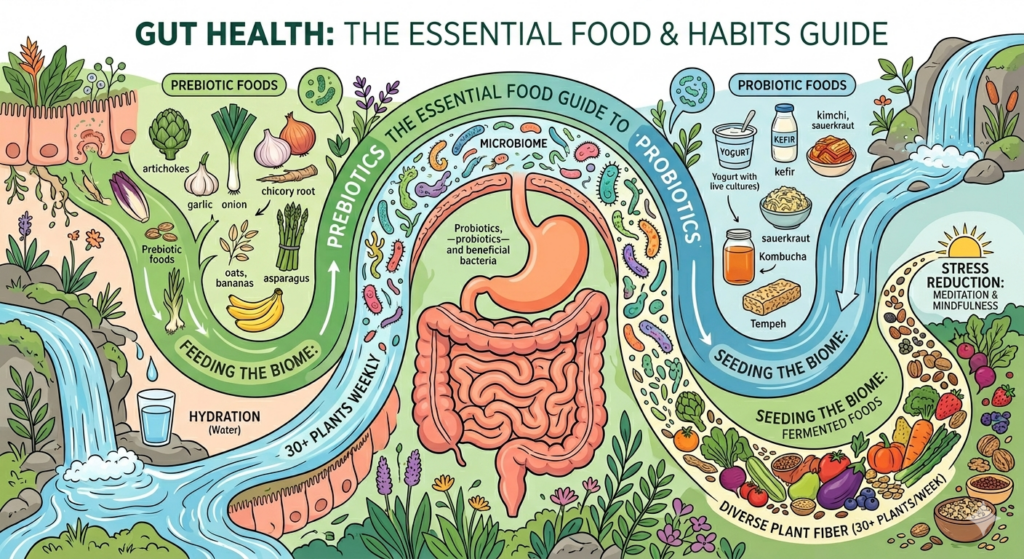
Think of prebiotics as the fertilizer and probiotics as the seeds. You need both for a flourishing gut.
Prebiotics (The Fertilizer)
Prebiotics are specialized plant fibers that humans can’t digest, but your gut microbes absolutely love. When bacteria ferment these fibers, they produce short-chain fatty acids which fuel and repair your gut lining.
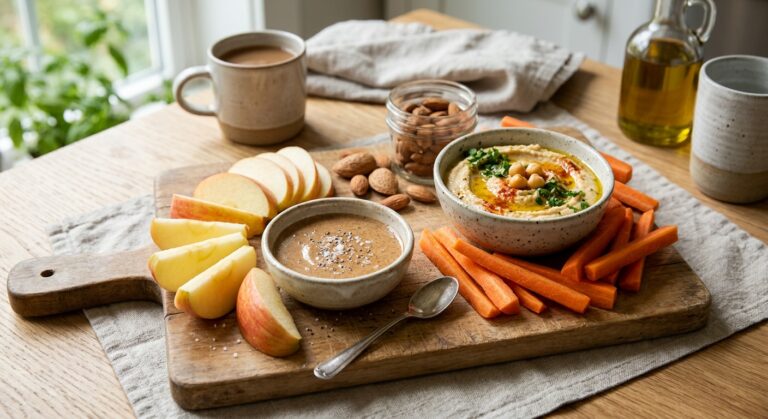
- Alliums: Garlic, onions, leeks, and scallions. They are rich in inulin, a powerful prebiotic fiber.
- Vegetables: Asparagus, Jerusalem artichokes, and jicama.
- Grains & Seeds: Oats, barley, flaxseeds, and chia seeds.
- Fruit: Under-ripe bananas (high in resistant starch) and apples (rich in pectin).
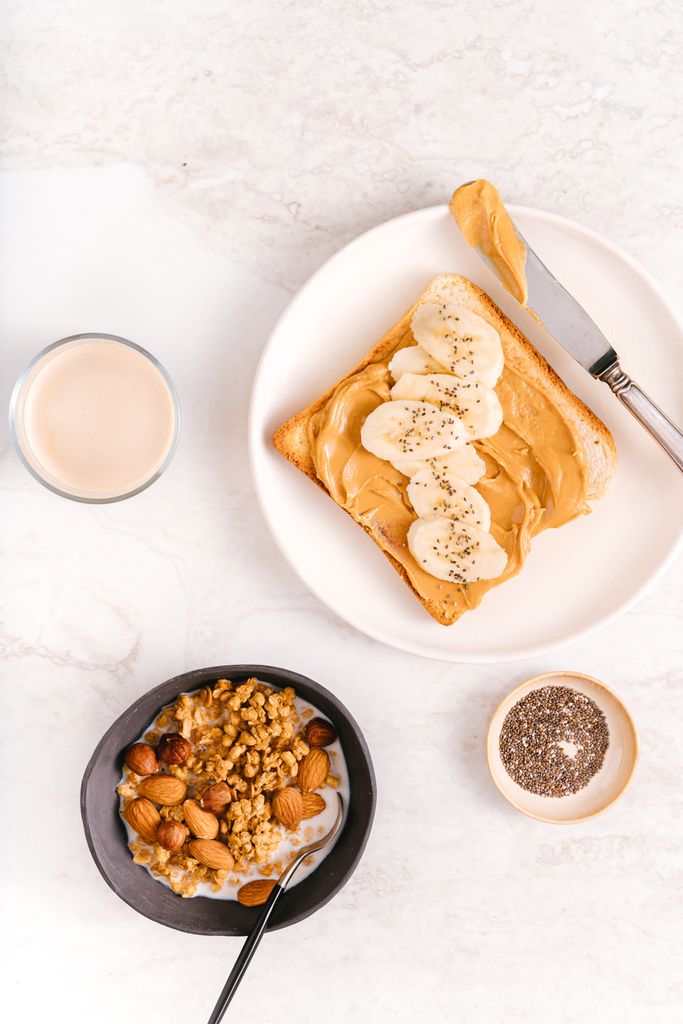
I get most of my prebiotics from adding onions and garlic to my cooking. I also love adding a mix of seeds to my peanut butter/banana toast in the morning.
Probiotics (The Seeds)
Probiotics are live, beneficial bacteria found in fermented foods. Introducing them regularly helps keep opportunistic, harmful bacteria from taking over.
- Dairy: plain, unsweetened Greek yogurt and kefir (a drinkable, highly potent fermented milk).
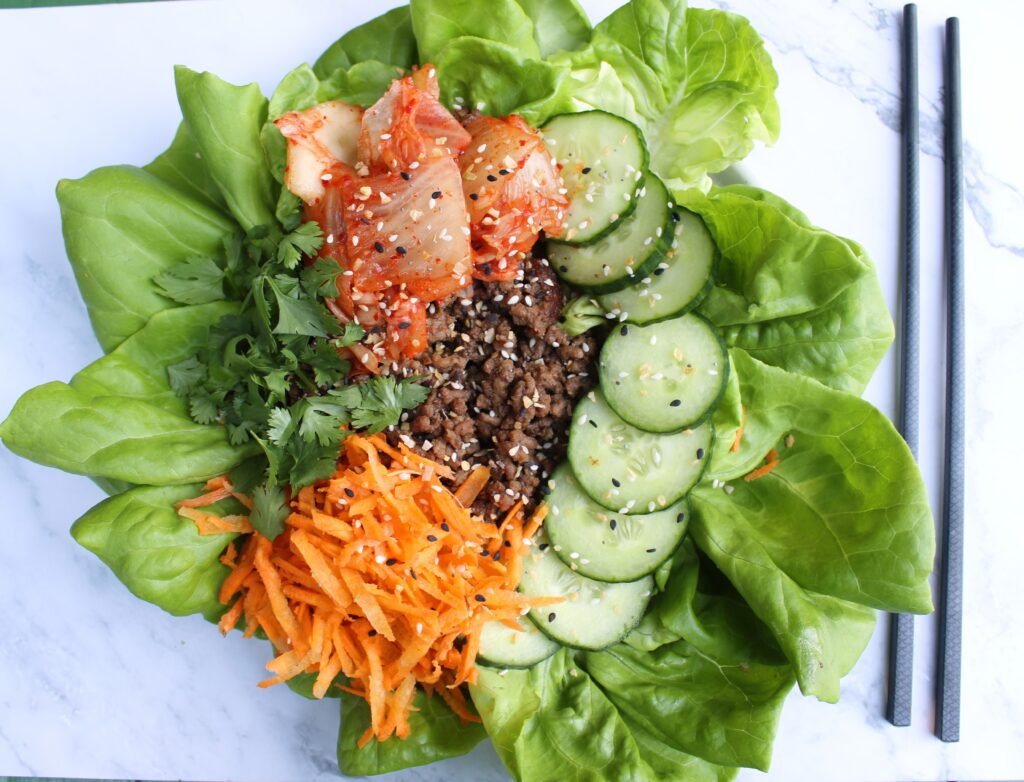
- Fermented Veggies: kimchi, sauerkraut, and traditional pickles (must be refrigerated and salt-brined, not vinegar-brined).
- Soy: tempeh and miso
- Beverages: kombucha and kefir soda
2. Rules of Eating for Gut Health
If you want to build a resilient gut, how you eat is just as vital as what you eat.
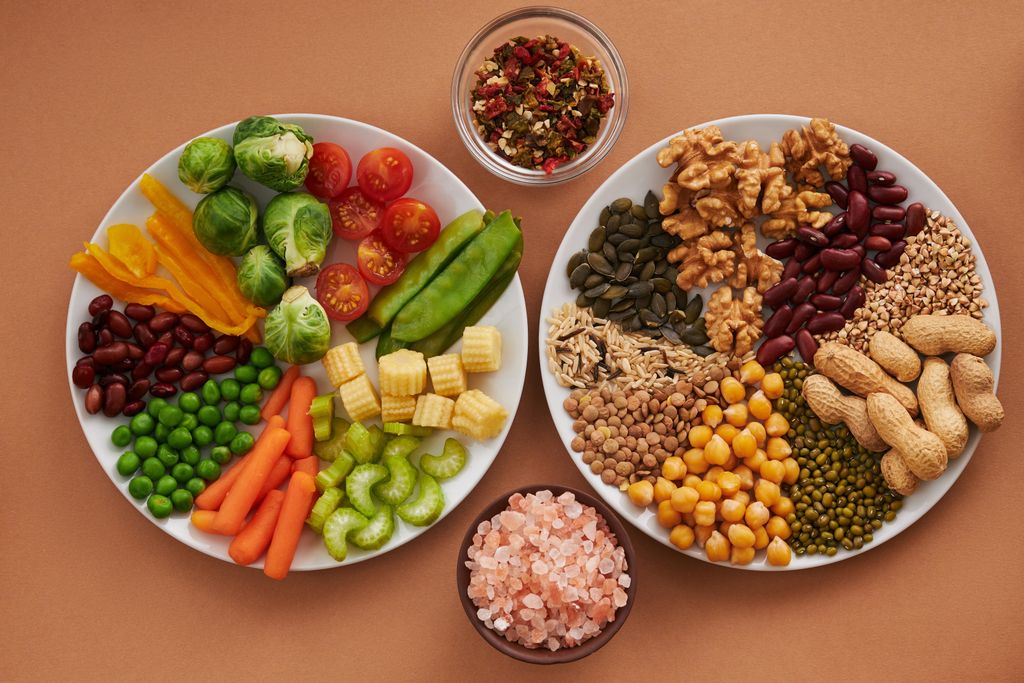
- Aim for 30+ plants a week: Different microbes thrive on different plants. Mix up your grocery cart. Count gains, nuts, seeds, herbs, fruits, and veggies toward your weekly total. This sounds tedious at first but quickly becomes second nature.
- Minimize ultra-processed foods: Examples of ultra-processed foods include emulsifiers, preservatives, refined sugar, seed oils, anything you can’t pronounce. These ultra-processed ingredients degrade the protective mucus layer of the gut.
- Stay hydrated: This one seems simple but some people forget to drink water. I love adding LMNT electrolytes to my water for taste and energy.
3. Making Your Own Gut Healthy Ferments
Making your own gut-healthy ferments at home is surprisingly simple and tasty. When you submerge ingredients like cabbage or cucumbers in a salty brine, you create an anaerobic (oxygen-free) environment that suppresses harmful bacteria while allowing beneficial, salt-tolerant Lactobacillus bacteria to thrive. These microbes consume the natural sugars in the food and produce lactic acid—a natural preservative that gives ferments their signature, mouth-watering tang.
As these tiny organisms work their magic, they break down complex compounds, making the food easier to digest and significantly increasing its bioavailable nutrients. By incorporating a daily forkful of homemade sauerkraut, kimchi, or traditional pickles into your diet, you introduce billions of diverse, live probiotics straight to your microbiome, actively supporting your digestion and boosting your immune system.
I have made a variety of ferments, including sourdough, pickled vegetables of all kinds, milk kefir, water kefir, kombucha, yogurt, cheeses, and vinegars. Try these fermented snap beans from the recipe section on my blog! I suggest starting with just one recipe, getting that down, and adding more over time.

4. How to Comfortably Transition Your Diet
If you drastically ramp up your fiber and fermented food intake overnight, you are highly likely to experience uncomfortable bloating, gas, or cramping. Your microbiome needs time to adapt. I recommend adding one new fermented item at a time. Wait until you know you can tolerate that item before adding something new. Homemade milk kefir is especially strong on the gut since it contains up to 30 strains of probiotics. When I first started drinking milk kefir I would get very sick. I had to start consuming only 1 tablespoon a day, then 2 tablespoons, then 1/4 cup, and so on.

5. Stress, Sleep, and Gut Health
Your brain and gut are connected via the vagus nerve (the gut-brain axis). High stress puts your body into a fight or flight state, which actively diverts blood flow away from digestion, alters gut motility, and can negatively impact your bacterial balance. True gut health requires managing stress and getting quality sleep just as much as eating your veggies.