
Embracing Homemaking: Is the Tradwife Lifestyle Right for You?
Have you heard of the tradwife movement? Does it sound intriguing to you, or something you want to learn more about? The “tradwife” (short for traditional wife) movement is a cultural trend that has gained significant traction on social media platforms. The movement advocates for women to prioritize conventional gender roles, often emphasizing homemaking, submissiveness to their husbands, modesty, and raising children. The tradwife life has been both embraced and criticized, and it occupies a complex intersection of cultural, political, and social debates.
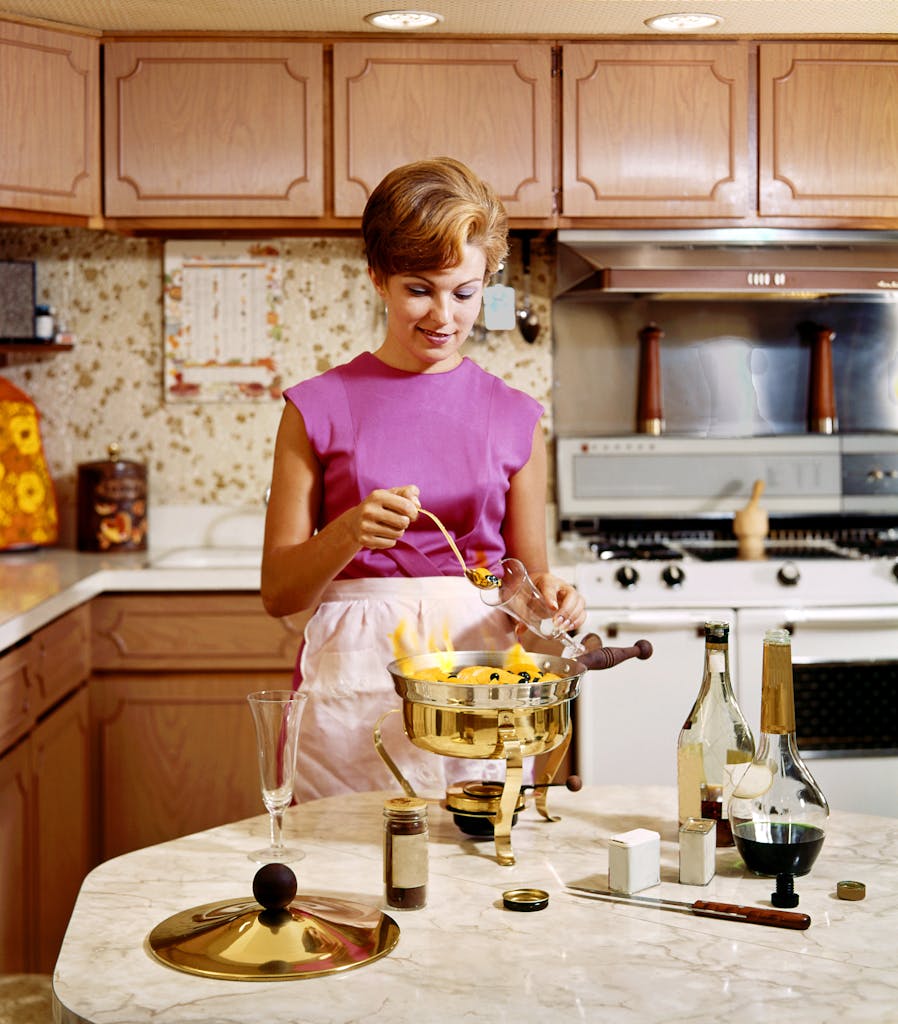
So why has the tradwife movement become so popular?
I believe the tradwife movement has grown in popularity due to cultural interest in “simpler times,” especially post-COVID. In an uncertain world, the idea of clearly defined roles and a traditional family structure can offer a feeling of security and stability. It can be seen as an escape from the pressures of modern life, including the demands of a dual-income household and career competition. The tradewife movement portrays a lifestyle that is slower and peaceful.
The tradwife movement can be seen as a counter-movement to the “girlboss” ideal, which encouraged women to prioritize careers and professional success. Some tradwives express feeling unseen by certain waves of feminism that focused heavily on women in the workplace. Some women feel overwhelmed by the pressure to “do it all” (career, family, self-improvement) and see the tradwife life as a meaningful alternative. For some, the lifestyle offers a clear sense of purpose and fulfillment in the domestic arts and motherhood, which they may feel is undervalued in modern society.

What pros do I see with the tradwife movement?
As a Christian, I see several positives in this cultural shift. I believe that raising children in a Godly home is a high calling. A tradwife lifestyle can allow a mother to be present for her children’s upbringing, homeschooling, and spiritual development, fostering a strong family unit. With one parent consistently at home, there can be more dedicated attention to discipline and emotional support.
Often, this lifestyle emphasizes the importance of the nuclear family and a clear division of gender roles. Passages like Ephesians 5:23 (For the husband is the head of the wife as Christ is the head of the church) emphasize the husband’s role as the spiritual and sometimes financial head of the household. A tradwife arrangement aligns with the husband being the primary provider. Proverbs 31 describes a diligent woman who manages her household well, and Genesis 2:18 refers to the woman as a helper suitable for the man. For some, the tradwife lifestyle embodies these roles, allowing a woman to fully dedicate herself to creating a nurturing home environment and raising children in the faith.
A focus on homemaking can create a more peaceful, organized, and welcoming environment, which can be seen as a sanctuary for the family in a chaotic world. This aligns with the idea of teaching God’s truth to future generations (Deuteronomy 6:4-9). In a society that often emphasizes career over family, a tradwife lifestyle can be seen as a counter-cultural witness, demonstrating a commitment to traditional family values and prioritizing God’s design for the family.

What issues do I see with the tradwife movement?
I do see a few pitfalls with the tradwife movement. Many tradwives share a nostalgic aesthetic inspired by 1950s domestic ideals—think vintage dresses, home-cooked meals, and a Pinterest-perfect household. Tradwives often showcase their dedication to domestic tasks like cooking from scratch, extensive cleaning, managing the household, and childcare. However, many of these women also present a highly edited and idealized version of their lives. The reality of daily homemaking and parenting is not always pretty and far from perfect. This can lead some women to feel inadequate or even idolize a false reality. I especially do not like the emphasis on social media on outward appearances rather than the internal virtues of a godly woman.
A significant concern is the potential for submission to become domineering and controlling. Galatians 3:28 states, “There is neither Jew nor Gentile, neither slave nor free, nor is there male and female, for you are all one in Christ Jesus.” This verse is often cited to emphasize the equal worth and dignity of men and women before God, regardless of their societal or marital roles. While distinct roles exist, they do not imply that women are less than. True biblical headship, as exemplified by Christ, is sacrificial love and servant leadership, not authoritarianism.
Though I do believe God calls most women to motherhood, God calls some to various ministries and vocations, not exclusively to homemaking. The Bible presents a diversity of women’s roles and contributions, including women who worked outside the home (e.g., Lydia in Acts 16 was a successful businesswoman) and women who had significant public roles (Deborah as a judge).

In summary, I see positives and negatives to the tradwife movement. As Christian women, it is essential to navigate biblical teachings on marriage, homemaking, and family with individual calling. While some aspects of the tradwife movement may align with traditional interpretations of Christian family life, potential pitfalls regarding misinterpretations of biblical submission and unrealistic aesthetics also warrant careful consideration. Ultimately, many Christians believe that the most important aspect of any marriage is mutual love, respect, and a shared commitment to Christ, regardless of the specific division of labor.