Tending the Soul, Tending the Seed: My Experience with God in the Garden

It’s mid-February here in Minnesota, and my soul is craving sun and fresh air. Thankfully, the forecast shows promising weather ahead. This is the time of year when I start dreaming and planning my garden for the coming season. Living in Zone 4b means a short growing season, so I have to begin starting my seeds indoors. In the next couple of weeks, I’ll start sowing flowers, peppers, and longer-growing herbs like rosemary. It gives me something to look forward to as I wait for warmer weather, and I love watching—up close—as my seeds finally pop through the soil.

There’s a unique kind of quiet that can only be found with your hands and feet buried in the dirt. I’ve often found that when I step into my garden to pull weeds or check on new growth, I’m doing more than just feeding my family; I’m talking to God, and my soul finds rest. In the rhythm of planting and pruning, the noise of the world fades, and the voice of the Creator becomes a little clearer. My garden has become a living classroom where every sprout is a lesson in patience and every withered pest and disease a reminder of the need for grace. This is the story of how tending the seed is one way God tends my Soul—and the beautiful, messy ways I’ve found Him in the dirt.
Gardening Starts with Healthy Soil

“But he who received seed on the good ground is he who hears the word and understands it, who indeed bears fruit and produces: some a hundredfold, some sixty, some thirty” Matthew 13:23. You can’t have healthy plants without healthy soil, and you can’t have healthy soil without fertilizer. The best fertilizer is compost (the dead, useless parts from last year). Just as compost and manure are made of broken-down, dead organic matter, God often uses our past failures and “messy” seasons to fertilize our future. He doesn’t waste our trials; He turns them into the nutrients that help us grow.
Gardening Makes Me Slow Down
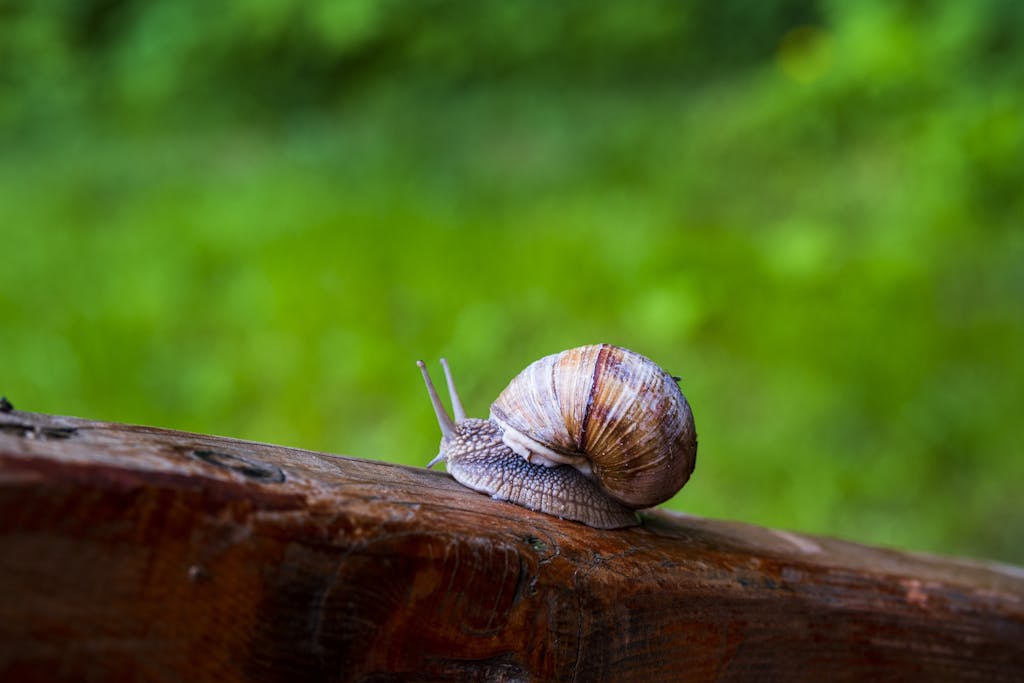
“Therefore, be patient, brethren, until the coming of the Lord. See how the farmer waits for the precious fruit of the earth, waiting patiently for it until it receives the early and latter rain” (James 5:7). There is nothing quite like waiting for seeds to burst through the soil and grow into mature plants ready for harvest. Healthy growth is often slow, and gardening cultivates true patience. Asparagus is one of the “longest-waiting” plants I have grown; it takes three years of tending before you can harvest anything edible. Nothing happening on the surface doesn’t mean God isn’t working underground. Just as a seed must remain in the dark soil to establish a root system, our seasons of waiting are actually seasons of strengthening. True faith is the ability to work the soil today while trusting the Gardener for a harvest that only He can bring in His perfect timing.
Gardening Is Best with a Plan

“Prepare your outside work, make it fit for yourself in the field, and afterward build your house” (Proverbs 24:27). If you throw seeds in your garden, something will probably grow; however, having a plan and being intentional will work better. “The Lord God took the man and put him in the Garden of Eden to work it and take care of it” (Genesis 2:15). Gardening was the human way of maintaining the boundaries and flourishing that God had set in place. It suggests that without an “Orderer,” a garden reverts to a wilderness. When gardening, it’s important to prepare the soil, plant crops based on their season, space plants correctly, and manage pests. Whether in the field or in our daily routines, order is the framework for fruitfulness. When we prioritize preparation and maintenance, we move from simply surviving the wilderness to truly flourishing in the garden God has given us.
Gardening Requires Attentiveness

“I went by the field of the slothful, and by the vineyard of the man devoid of understanding; And there it was, all overgrown with thorns; its surface was covered with nettles, and its stone wall was broken down” Proverbs 24:30–31. Gardening is a great way to practice staying alert, which is something the Bible often tells us to do. Just as God always watches over us (Psalm 121:4), a gardener has to keep a close eye on their plants. You can’t just plant a seed and walk away; you have to pay attention to small changes, watching for diseases and a pest that can quickly destroy your crop. In the same way that Jesus told His followers to “watch and pray” (Matthew 26:41), a gardener must stay present and “listen” to what the garden needs.
As I place these tiny seeds under the warmth of the grow lights, I’m reminded that much of our spiritual life happens in the “indoor” seasons- the hidden moments where growth isn’t yet visible to the world. It may still be freezing outside in Minnesota, but in my seed trays, spring is already beginning. I’m learning to trust the Master Gardener with the timing of the harvest, knowing that He who began a good work in this soil is faithful to bring it to full bloom. Until the ground thaws, I’ll keep tending these small sprouts, grateful for the reminder that even in winter God’s grace is always in season.