
Unlock New Flavors: A Comprehensive Guide to Herb Salts
This post may contain affiliate links. Please read our disclosure policy.
Herb salts are a fantastic way to preserve the flavor of fresh herbs and add a burst of complex taste to your cooking. They are essentially a blend of salt (typically coarse sea salt or kosher salt) and fresh or dried herbs, often with other aromatic ingredients like garlic, citrus zest, or chili flakes.
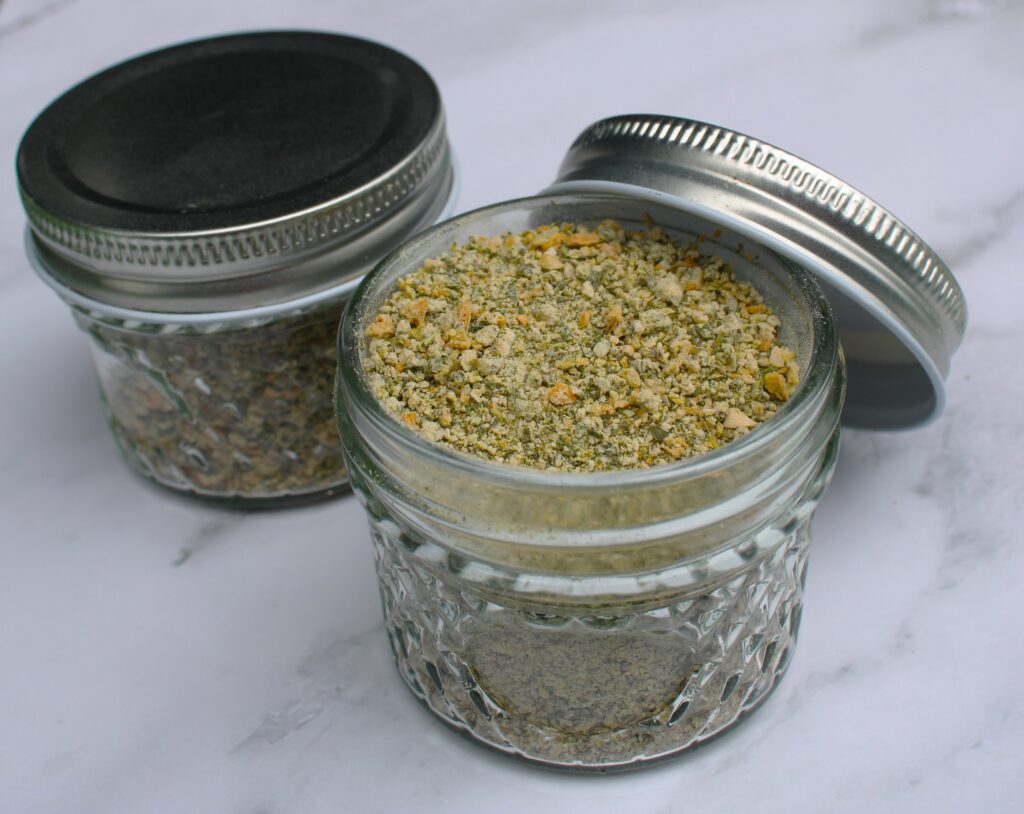
What Are Herb Salts?
Herb salts are a flavored salt where the essential oils and aromas of herbs are infused into the salt crystals. The salt acts as a natural preservative, drawing out moisture from fresh herbs and allowing them to retain their flavor and aroma for extended periods, often up to a year when stored properly.

Benefits of Herb Salts
Flavor Enhancement: They offer a more nuanced and vibrant flavor than simply using dried herbs or plain salt. The herbs’ oils meld with the salt, creating a richer taste experience.
Preservation: They are an excellent way to use up an abundance of fresh herbs from your garden, extending their shelf life far beyond what fresh herbs would normally last.
Versatility: Herb salts can be used in a multitude of ways in the kitchen, from finishing dishes to seasoning ingredients during cooking.
Reduced Sodium Intake: While they still contain salt, the intense flavor from the herbs can sometimes allow you to use less overall salt while still achieving a satisfying taste.
Potential Health Benefits: Many herbs are known for their antioxidant, anti-inflammatory, and other beneficial properties, though the amounts in a typical serving of herb salt would be small.
History of Herb Salts
The history of using herb salts for preservation comes from the earliest human understanding of both salt’s ability to inhibit spoilage and herbs’ capacity to add flavor and offer some antimicrobial properties. Before refrigeration, these methods were crucial for survival, ensuring food security through lean seasons and long journeys.
The simplest form of herb salts was to pound or chop fresh herbs with salt. This created a moist flavorful salt. While not fully cured, it extended the life of the fresh herbs and infused the salt with their essence. Over time, people discovered that drying these herb-salt mixtures (in the sun, by air, or later in ovens) further extended their shelf life. The salt would absorb the moisture from the herbs, becoming infused with their flavor, and the results would store for a very long time.

How to Make Herb Salts
- Choosing Your Ingredients:
- Salt: Coarse sea salt, kosher salt, or Himalayan pink salt are popular choices. Coarser salts work well for blending with herbs in a food processor.
- Herbs: Fresh herbs are ideal as they contain more essential oils. Popular choices include rosemary, thyme, sage, oregano, basil, parsley, dill, chives, and cilantro. You can use a single herb or a blend.
- Optional Additions: Citrus zest (lemon, lime, orange), fresh garlic, ginger, or chili flakes can add extra layers of flavor.
- Preparation:
- Wash and thoroughly dry your fresh herbs. Removing leaves from stems is usually recommended.
- If using fresh garlic or ginger, mince or grate it finely.
- Blending:
- Combine the herbs and about half of your chosen salt in a food processor.
- Pulse until the herbs are finely chopped and the mixture resembles a uniform, sandy texture. Avoid over-processing, which can turn the mixture into a paste.
- Add the remaining salt and pulse again to combine.
- Drying:
- Spread the herb salt mixture thinly on a parchment paper-lined baking sheet.
- Allow it to air dry for several hours or overnight, or in a very low oven (around 170°F/75°C) for about 30 minutes, stirring occasionally, until all moisture has evaporated and the salt is completely dry. This step is crucial for proper preservation.
- Storage:
- Once completely dry and cool, transfer the herb salt to an airtight container or jar.
- Store in a cool, dark place (like your pantry) for up to a year.

Herb Salt Recipes
Rosemary Garlic Salt: Classic and robust, great for roasted potatoes or lamb.
Lemon Thyme Salt: Bright and zesty, perfect for chicken or fish.
Sage and Mint Salt: A unique blend, good for poultry or even some vegetable dishes.
Tuscan Herb Salt: Often includes rosemary, sage, and thyme, ideal for Italian-inspired dishes.
Cilantro Lime Salt: Great for Mexican cuisine, on tacos, or avocado.
Dill and Onion Salt: Excellent for seafood, potatoes, or sprinkled on cream cheese.
Products From This Post
This post contains affiliate links, which means I make a small commission at no extra cost to you. See my full disclosure here.
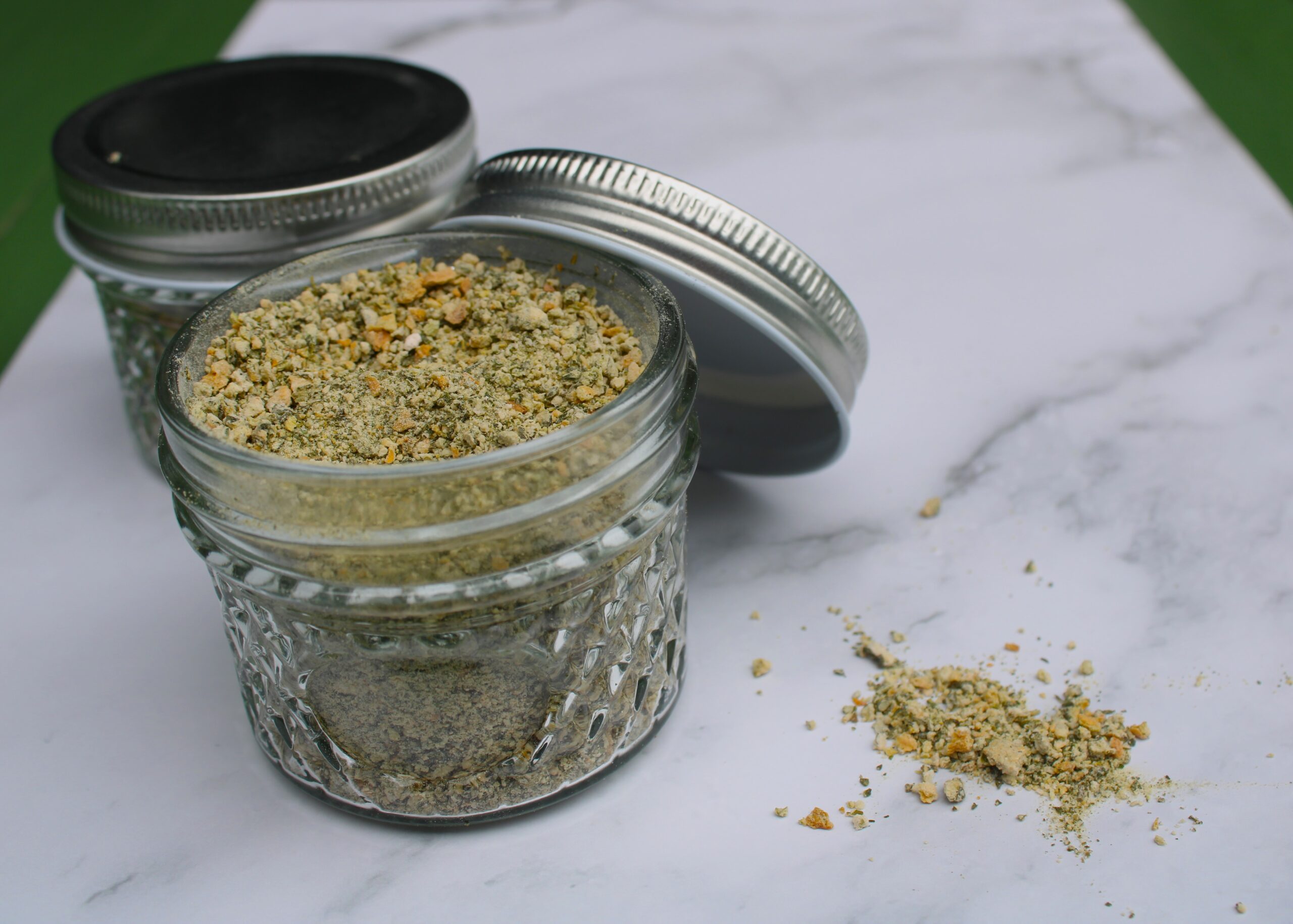
Herb Salt Recipes
Ingredients
Equipment
Method
- In a blender or food processor, combine all ingredients. Pulse a few times to integrate the herbs into the salt, being careful not to over-process the ingredients into powder.
- Set oven to its lowest temperature (about 200°F), and dry the salt for 45 minutes to an hour, until dry to touch. Store in an airtight jar at room temperature in a cupboard for up to 1 year.